
Screen Time & Neurodivergence: A Different Perspective on a Familiar Debate
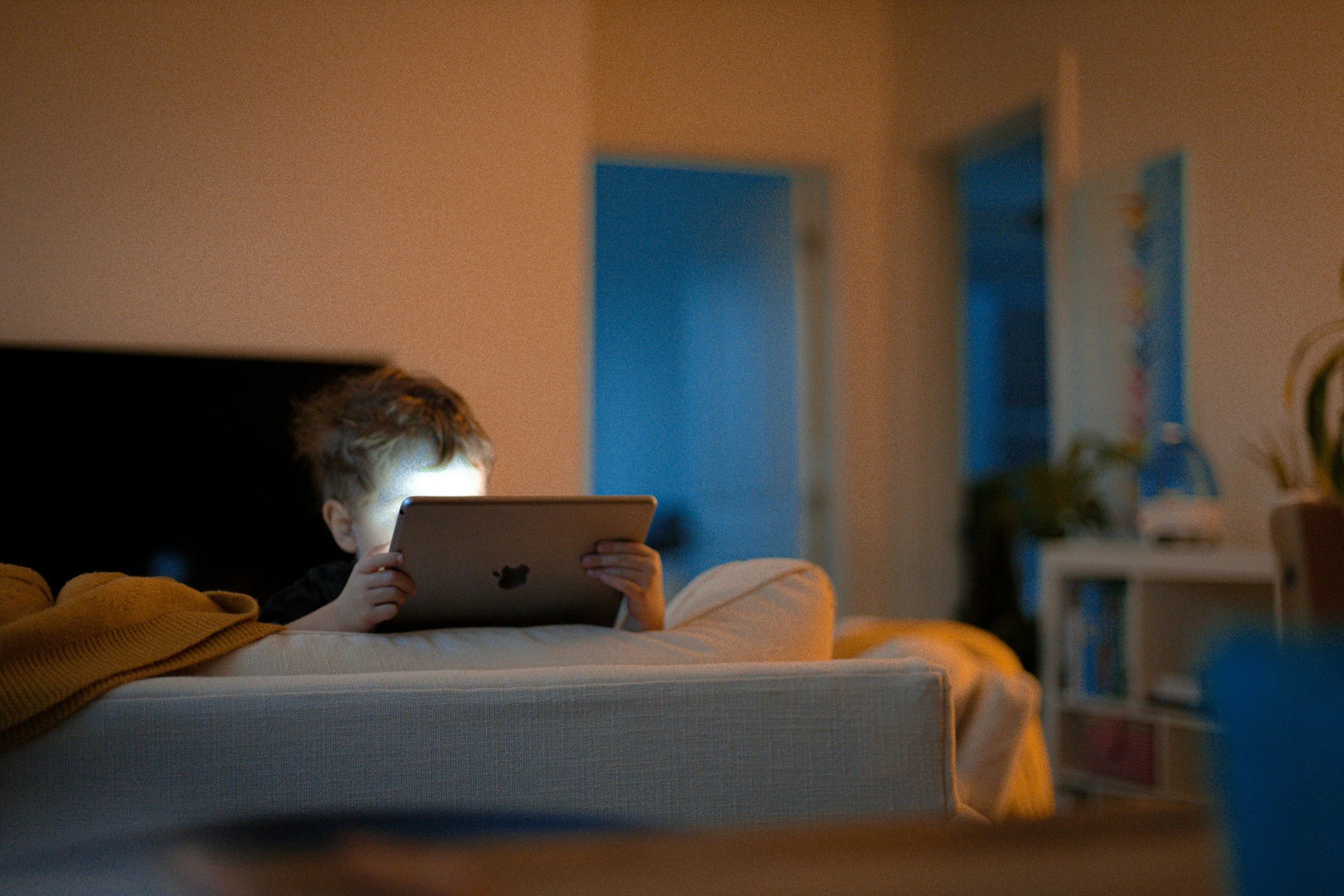
For parents, the conversation around screen time is often full of anxiety. We are bombarded with headlines and recommendations warning us of the dangers of too much screen exposure, linking it to everything from sleep problems to mental health crises. For parents of neurodivergent children, who often utilize screens more than their peers, this anxiety can be magnified, layered with guilt, and the fear of doing harm.
However, what if these generalized warnings and rules are based on a neurotypical model that doesn't apply universally? A powerful 2023 study by Menezes and colleagues offers a data-driven reason to re-evaluate our approach to screen time in autistic youth.
The Finding That Changes the Conversation
The study, analyzing a large national sample, confirmed what many previous studies have shown: for neurotypical youth, there is a significant statistical association between more hours of screen time and higher rates of anxiety and depression diagnoses.
The key finding, however, was that for autistic youth, the study found no significant statistical association between their hours of screen time and diagnoses of anxiety or depression.
This finding is significant. The established correlation between screen time and negative mental health outcomes appears to be a phenomenon primarily observed in the neurotypical population.
A Different Relationship: From Social Stress to Supportive Tool
Why would this difference exist? The authors suggest, and the lived experience of many autistic people confirms, that the function of screen time is often fundamentally different.
For many neurotypical teens, social media can be a source of social comparison, pressure to conform, and stress. The communication is fast, nuanced, and relies heavily on interpreting unwritten social rules.
For many autistic individuals, however, the digital world can be a safe haven. It can serve several important functions:
A Tool for Connection: Online communication removes the pressure of navigating non-verbal cues like eye contact and body language. It allows for more time to process and respond, fostering connections that might be more difficult in person.
A Space for Joy: Screens are a gateway to deep, passionate engagement with special interests. This is not "wasted time"; it is a vital source of joy, learning, and self-worth.
A Means of Regulation: The predictable, controllable nature of a video game or a favorite show can be incredibly calming for a nervous system that is easily overwhelmed by the unpredictability of the outside world.
A Critical Lens: Progress, Not Perfection
While this study is a powerful step forward, it's crucial to acknowledge its limitations. The data is based on parent reports, which can be unreliable, and it aggregates all "screen time" together, failing to distinguish between passive consumption and active creation.
Most significantly, the autistic sample was nearly 80% male, a direct reflection of the historical gender bias in autism diagnosis. This means the experiences of autistic girls, women, and non-binary individuals (who often face unique social pressures) are not adequately represented.
The Path Forward: From Fear to Function
This study does not advocate for unlimited, unchecked screen time. Instead, it provides an opportunity to shift our perspective away from fear-based, arbitrary rules and toward a curious, compassionate, and individualized approach.
Instead of asking, "How much time is my child spending on screens?", we should be asking:
"What function is this screen time serving for my child right now?"
"Is it helping them regulate, connect, or learn?"
"How does my child feel after spending time on their device?"
The answers will be different for every child. By focusing on the function of the behavior rather than the behavior itself, we can begin to support our children in a way that is truly neurodiversity-affirming.
If you are a parent who wants to move from conflict over rules to connection through understanding, our Support System Coaching is designed for you. Let's work together to create a home environment that honors your child's unique needs. Book a Free Discovery Session to learn more.